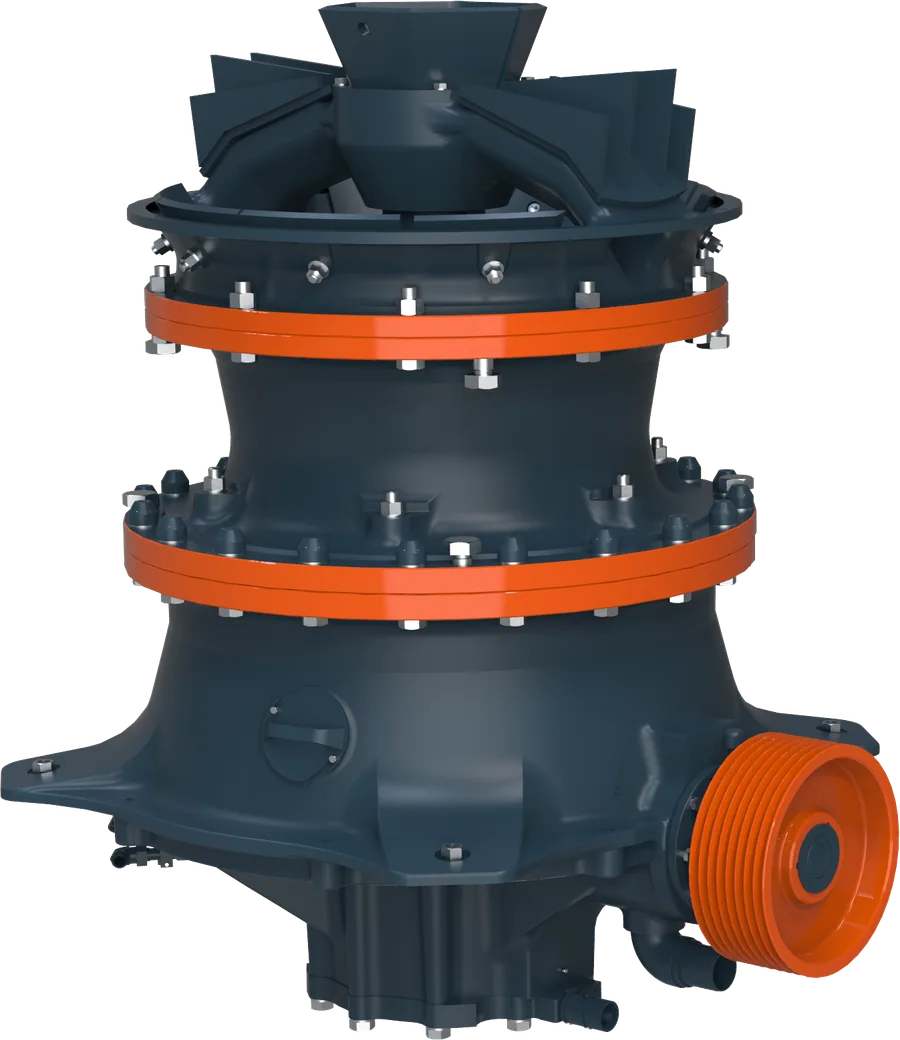
NORDVIK PGP Series Cone Crusher

NORDVIK PGP Series Cone Crusher

Versatile secondary and tertiary cone crushing

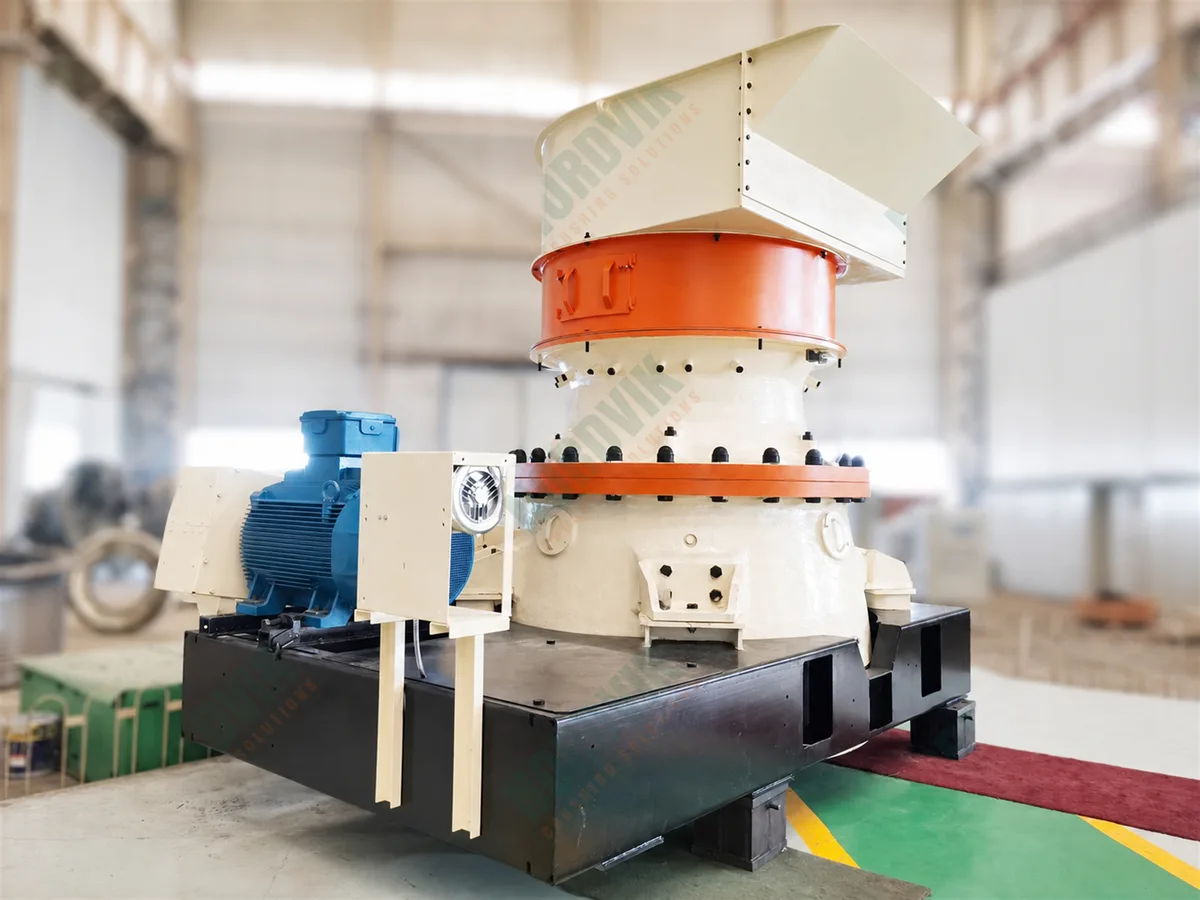
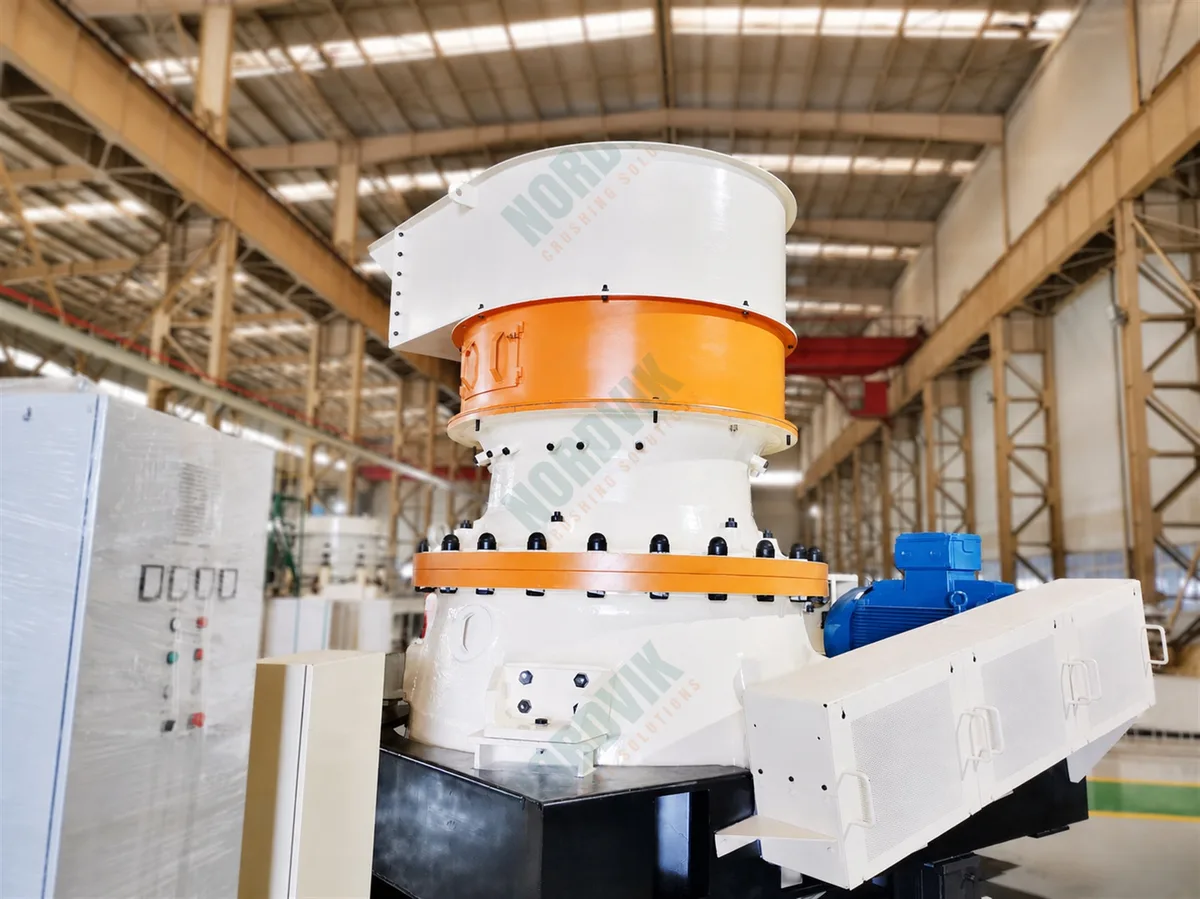
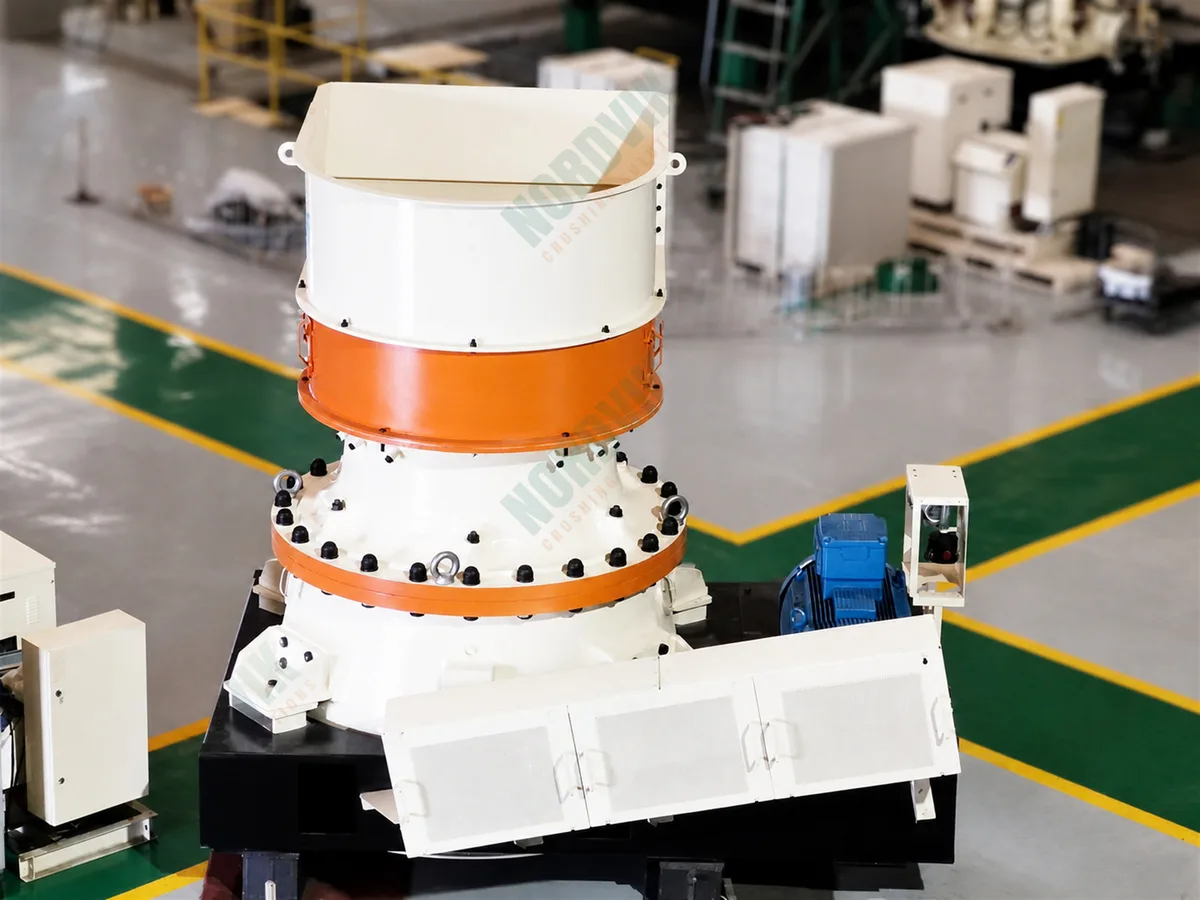
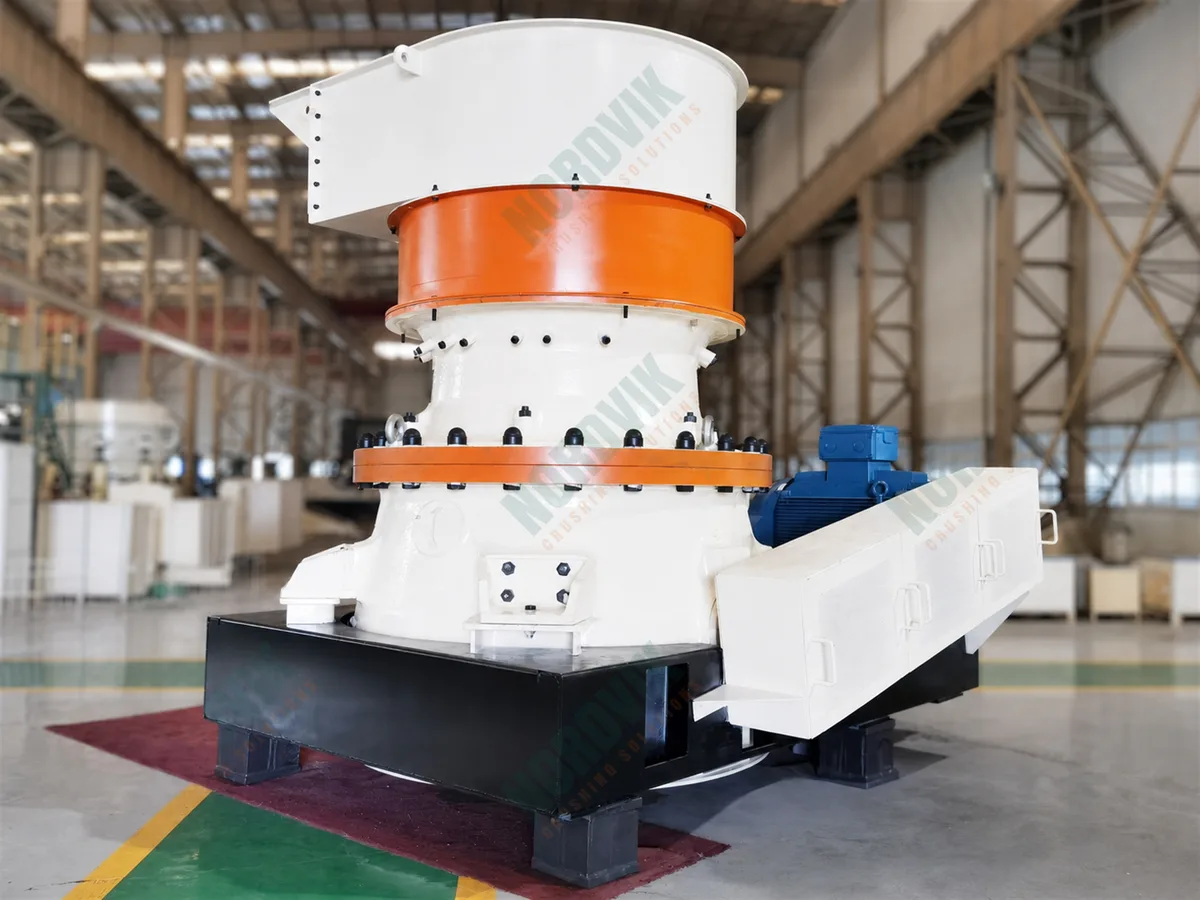
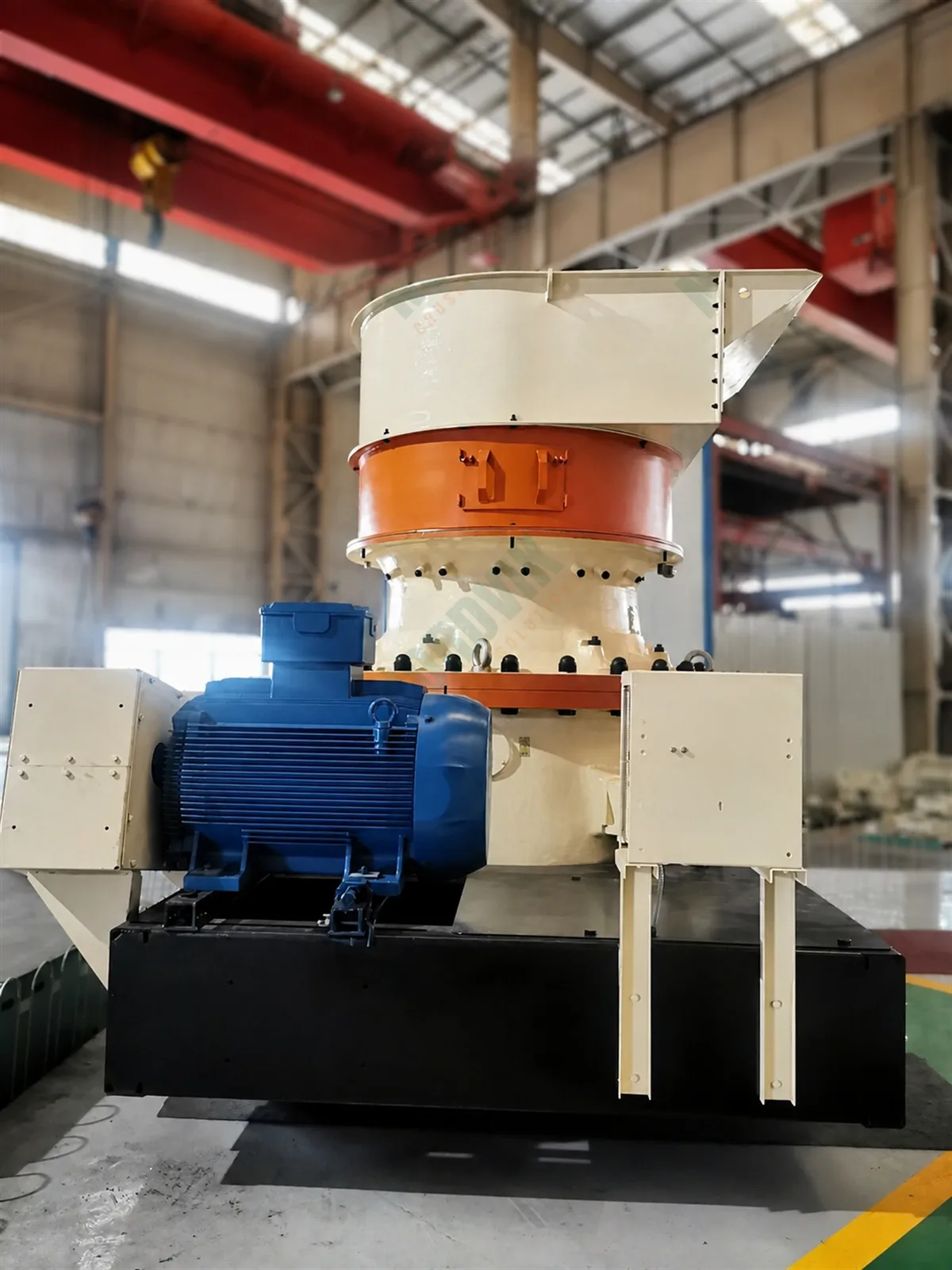
The NORDVIK PGP series single-cylinder cone crusher is a high-performance machine for secondary and tertiary crushing in mining, metallurgy, construction and hydropower. Covering 35 – 870 t/h with feed sizes of 46 – 442 mm and 75 – 400 kW installed power, the PGP combines an optimized crushing chamber with hydraulic setting adjustment to deliver efficient reduction of hard and medium-hard ores and rocks.

35 – 870 t/h
Capacity
46 – 442 mm
Feed size
75 – 400 kW
Power
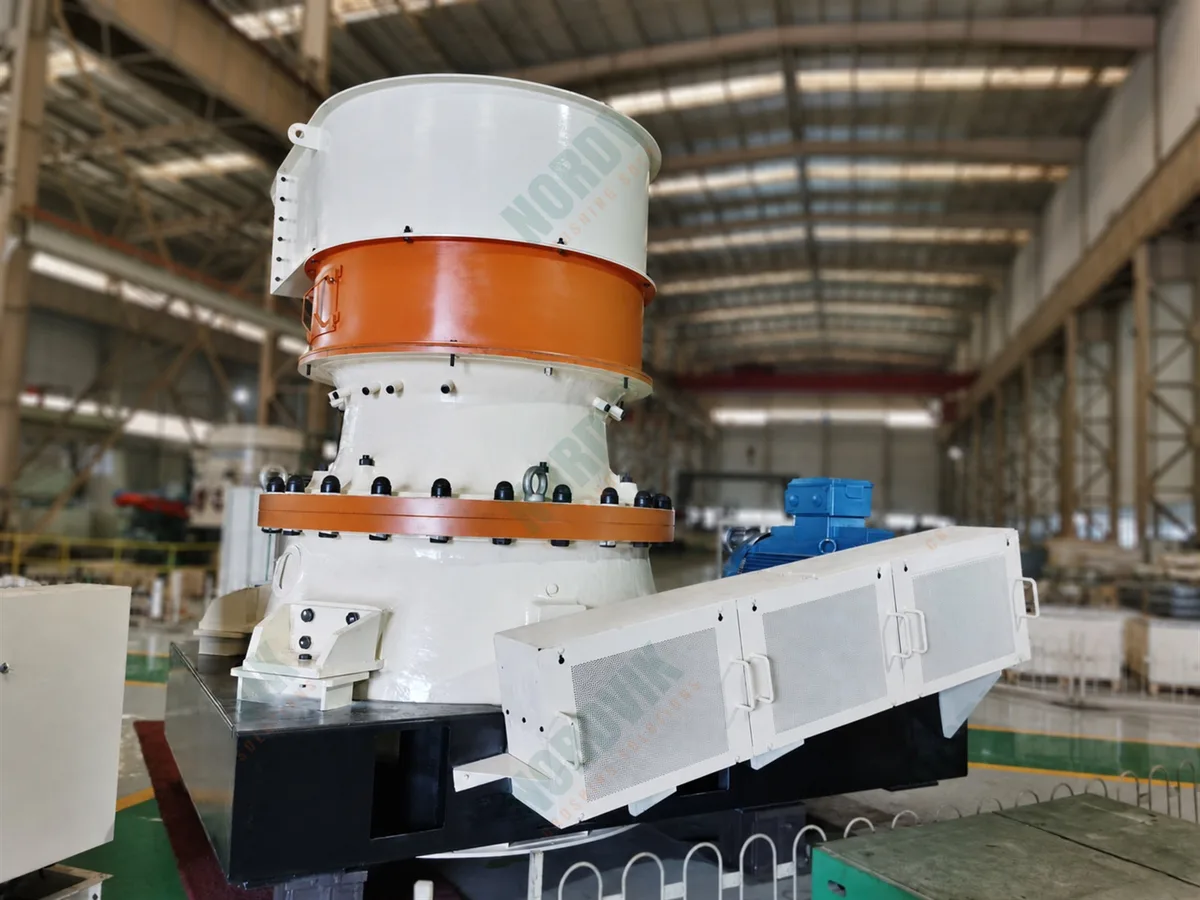
1000+ installations

Proven in mines and quarries across 15+ countries.

OEM-grade quality

Wear and spare parts made to original specifications and metallurgy.

24 h response

Quotation with specs, pricing and delivery time within one working day.

Lifetime support

Spare parts, service and commissioning support for the machine's whole life.

Key Features

Key Features

PGP Series Technical Specifications

ModelPower (kW)Basic weight (kg)Feed openings by cavity (mm)Capacity (t/h)
PGP100S75 – 907,350M 206 / C 23980 – 250
PGP200S110 – 16010,900C 222 / EC 295110 – 365
PGP300S132 – 25016,200C 247 / EC 332 / EC-LS 332170 – 440
PGP500S200 – 35516,200C 321 / EC 401 / EC-LS 442300 – 870
PGP10075 – 905,800EF 46 / F 53 / MF 95 / M 141 / C 14235 – 105
PGP220132 – 22010,200EF 58 / F 89 / MF 101 / M 118 / C 182 / EC 21370 – 280
PGP330250 – 31515,700F 85 / MF 107 / M 135 / C 184 / EC 225105 – 390
PGP550250 – 40015,700EF 68 / F 95 / MF 113 / M 152 / C 192 / EC 250 / EC-LS 265140 – 510

Cavity code value = max feed opening (mm). Capacity = published range across the listed CSS settings; higher values apply at coarser settings. Stroke options available per model.

How it works

Working Principle

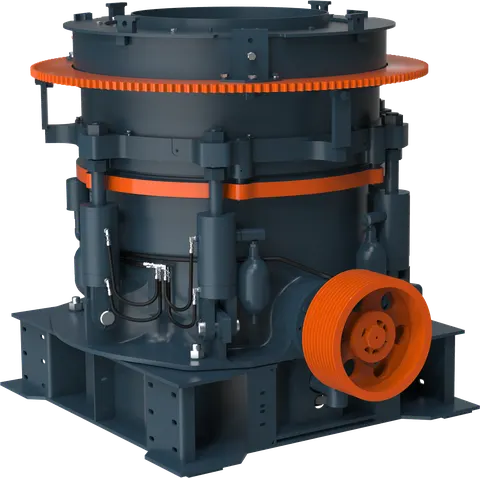
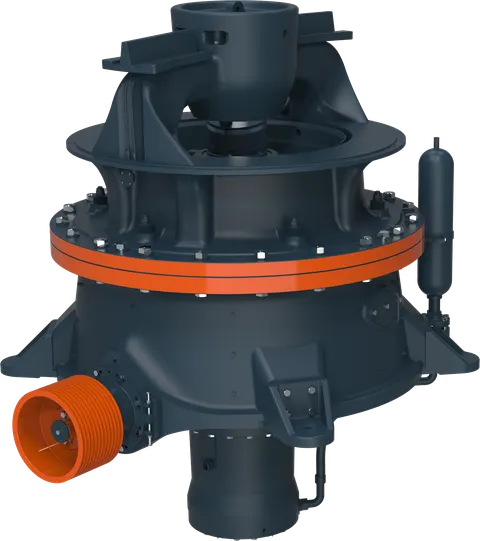
In the PGP cone crusher, an eccentric bushing gyrates the mantle around the crusher's vertical axis inside a fixed concave bowl. Feed material is nipped and compressed between mantle and concave, breaking by compression and inter-particle contact as it travels down the chamber. The single hydraulic cylinder beneath the mainshaft supports the crushing load, sets the closed side setting and provides tramp iron relief in one simple, reliable system.

Applications

Applications

Secondary ore crushing

Reduction of primary crushed ore ahead of grinding or tertiary stages in mineral processing plants.

Aggregate production

Producing well-graded, cubical aggregates for concrete and asphalt from granite, basalt and river gravel.

Quarrying

High-capacity reduction of blasted rock to road base and railway ballast specifications.

Metallurgy & construction

Medium-fine crushing duty for metallurgical, building material and hydropower projects.

Sand & fine aggregates

Fine cavities produce manufactured sand feedstock and fine chippings.

Materials

Basalt, granite, marble, gneiss, quartzite, sandstone, limestone, iron ore, copper ore, molybdenum ore and other hard and medium-hard rocks.

FAQ

Frequently Asked Questions

What is the difference between PGP S and standard models?
S models have an extra-coarse cavity for secondary duty with feed up to 442 mm; standard M/F cavities cover tertiary and fine crushing down to 10 mm CSS.
How is the CSS adjusted on the PGP?
Hydraulically, via the single support cylinder under the mainshaft — adjustment takes seconds and can be done under load, manually or via the ACS automation system.
What happens when tramp iron enters the crusher?
The hydraulic accumulator allows the mainshaft to drop, passing the uncrushable object, then automatically returns to the set position — no stoppage, no damage.
Which liner options are offered?
EC, C, M and F cavity liners in Mn13Cr2 to Mn22Cr2 manganese steel, selected by feed size and abrasiveness.
What capacity can a PGP550 reach?
Up to 870 t/h in coarse secondary duty with the EC-LS cavity at wide settings; 140 – 510 t/h in tertiary duty depending on cavity and CSS.
Related

Related Products

Interested in PGP Cone Crusher?

Request a detailed quotation with specifications, pricing and delivery time — our engineers respond within 24 hours.

Get a quote