Grinding Solutions
| Mill type | Typical application | Feed size | Product size |
|---|
| Rod Mill | Coarse grinding / primary | ≤ 25 mm | 1 – 5 mm |
| Ball Mill | Fine grinding / secondary | ≤ 15 mm | 0.1 – 1 mm |
| AG / SAG Mill | High-throughput primary grinding | ≤ 300 mm | 0.5 – 2 mm |
| Vertical Mill | Regrinding / ultrafine | ≤ 5 mm | 0.005 – 0.1 mm |
Final sizing is calculated from ore Bond work index, feed size and target product. Contact us for a mill sizing.
All brand names, model names, photos and marks mentioned are owned by their respective manufacturers. Luoyang Songju Industrial Equipment Co., Ltd. (NORDVIK®) has no affiliation with the original equipment manufacturers. These terms are used for identification purposes only and do not indicate affiliation with or approval by the OEM. All equipment shown is manufactured by and warranted by Luoyang Songju Industrial Equipment Co., Ltd. (NORDVIK®).
How it works
Working Principle
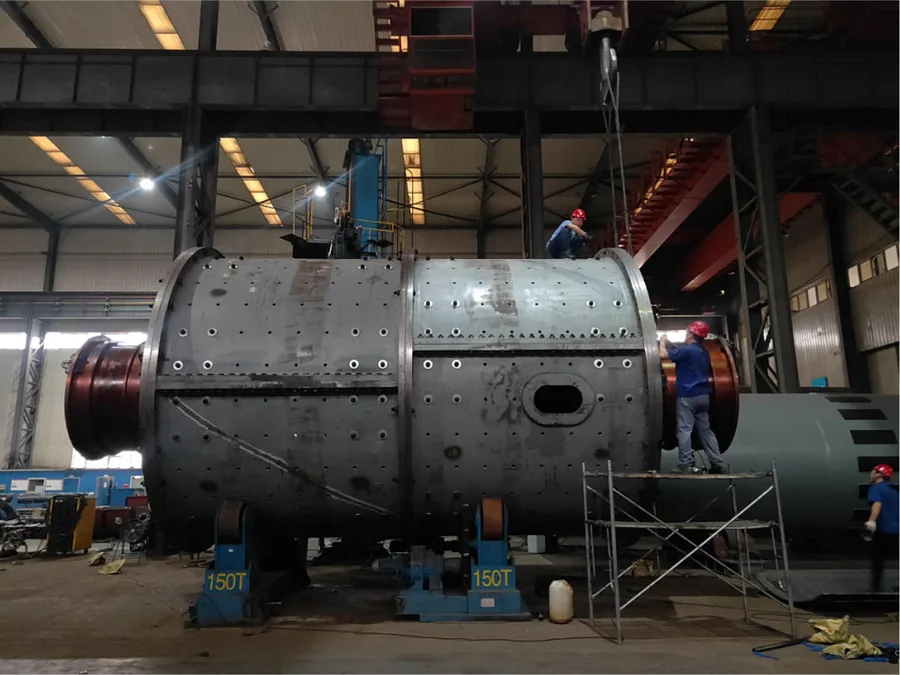
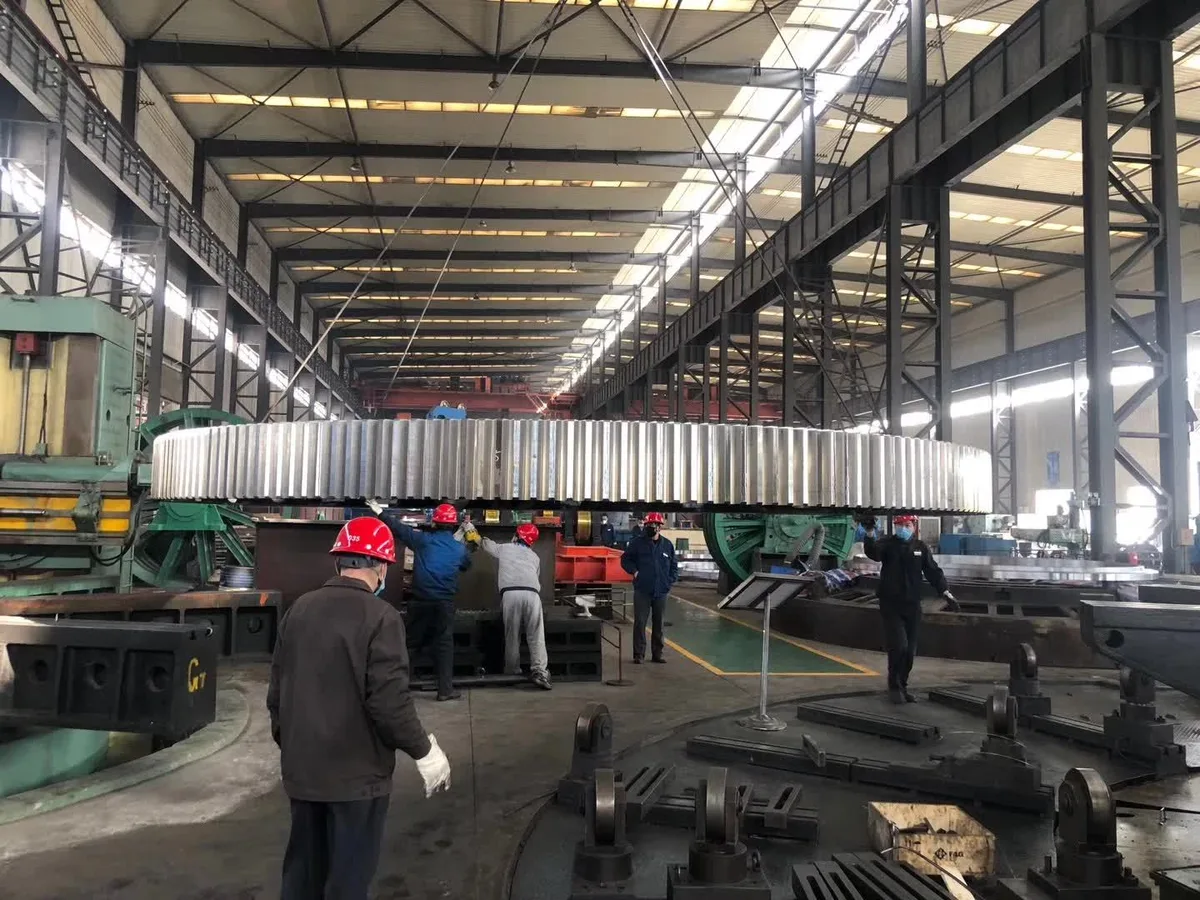
A grinding mill rotates a cylindrical shell partially filled with grinding media — steel balls, rods, or the ore itself in autogenous operation. As the shell rotates, lifters raise the media, which then cascade and cataract onto the ore bed, breaking particles by impact and abrasion. Ground product exits through the discharge grate or overflow, while classification equipment returns oversize for further grinding.
Mill Selection & Scope of Supply
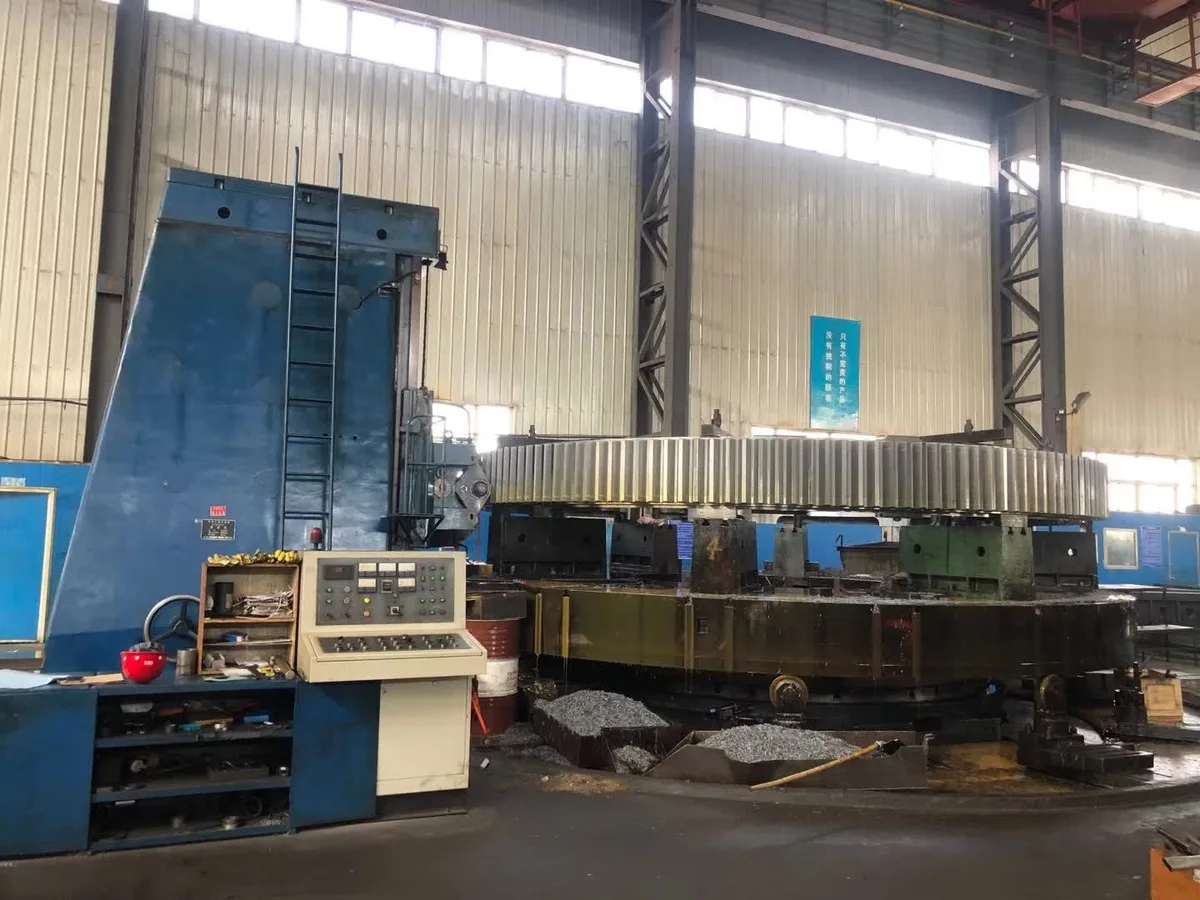
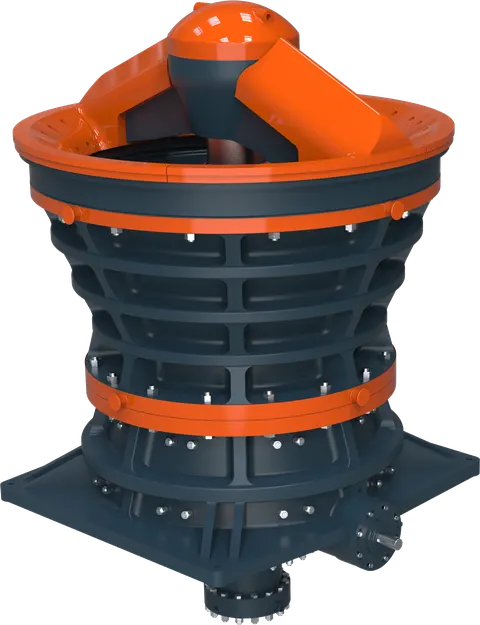
Mill type and size are selected from ore characteristics and process targets: AG/SAG mills for high-throughput primary grinding of competent ores, rod mills for coarse consistency, ball mills for fine grinding, and vertical stirred mills for regrind and ultrafine duties. Wet or dry operation is chosen with the downstream process in mind.
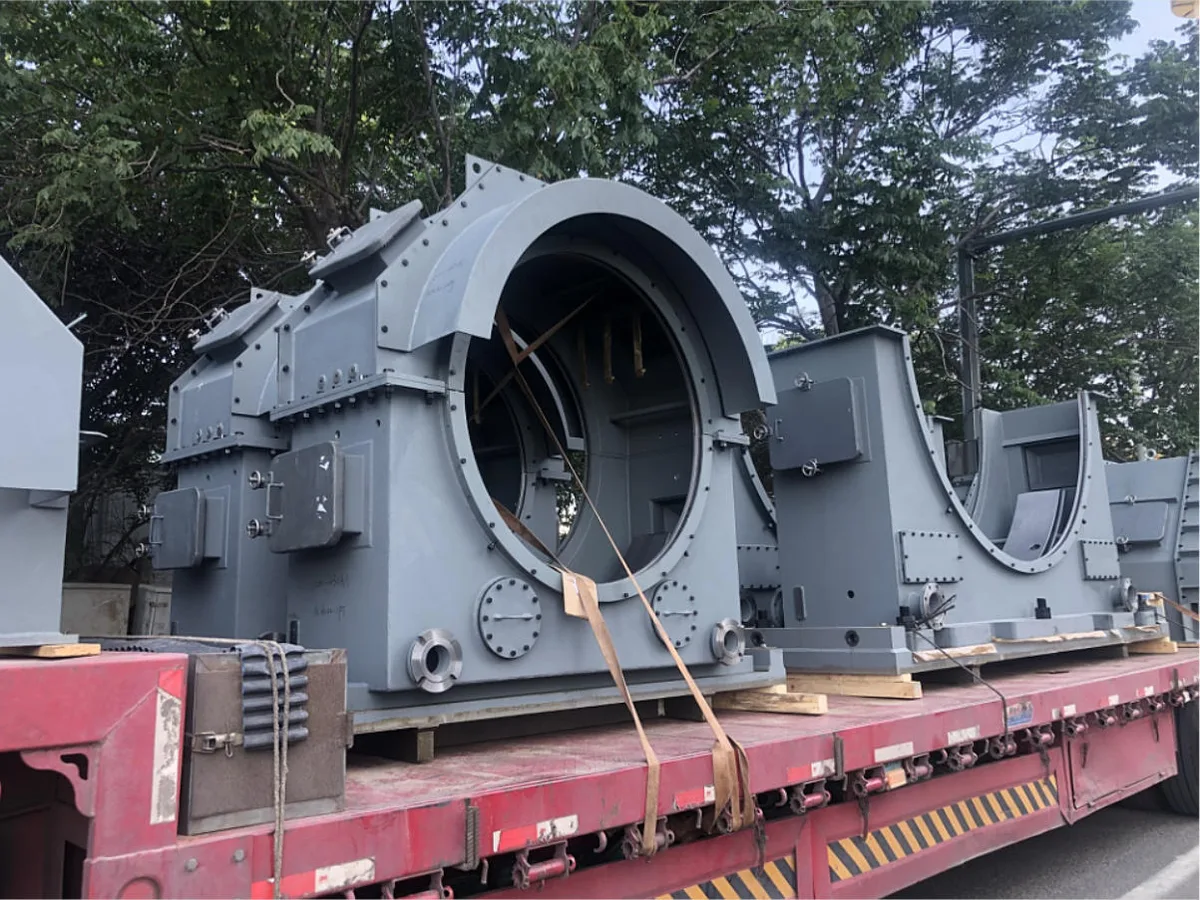
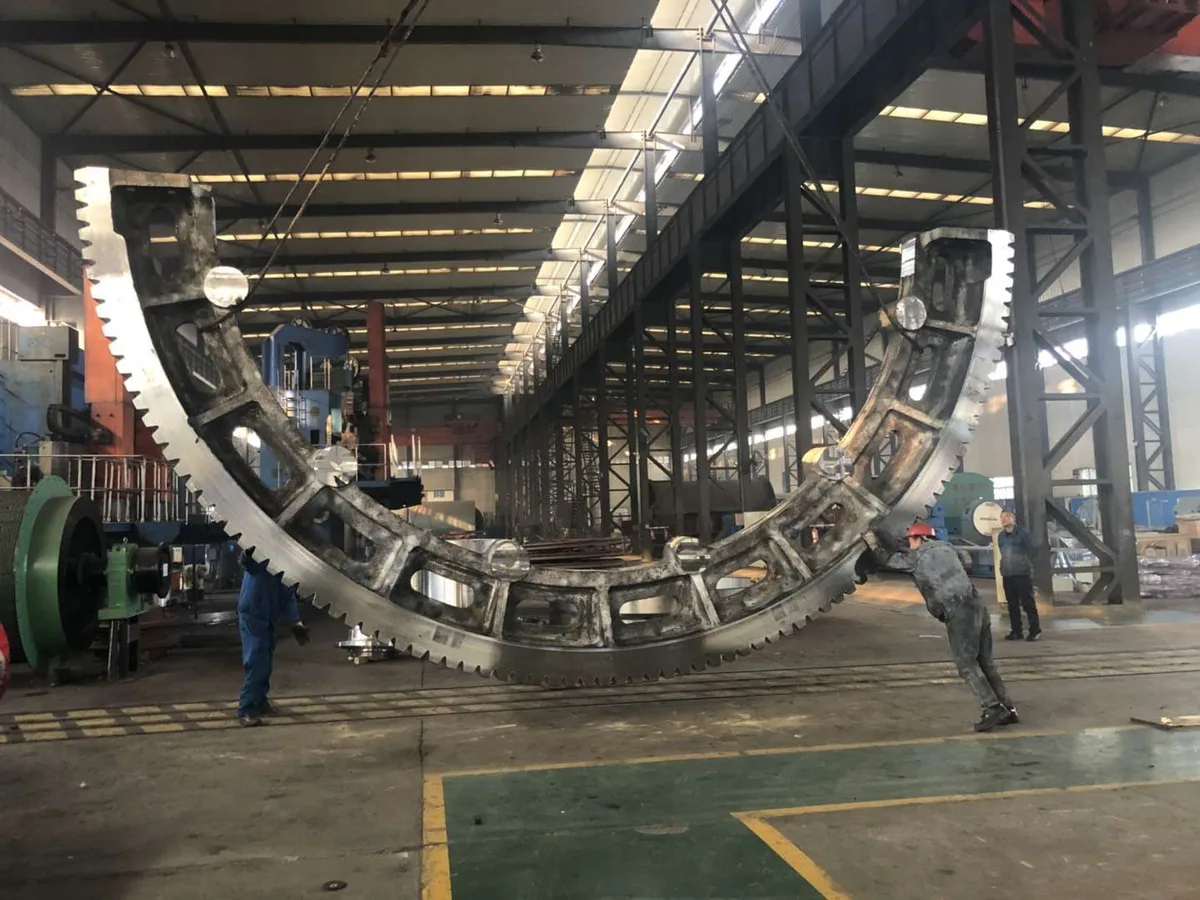
Supply scope covers the complete grinding unit — shell, heads, liner system, main bearings, drive (gear and pinion or gearless), lubrication, inching device and control system — plus accessories, installation supervision and long-term spare parts support.
FAQ
Frequently Asked Questions
What is the largest mill NORDVIK builds?
Ball mills up to 8 m shell diameter with accessories. Larger AG/SAG configurations are engineered project by project.
Wet or dry grinding — which should I choose?
Wet grinding suits most ore concentrators; dry grinding serves cement raw materials and water-scarce sites. We confirm the selection from your ore test data.
How do I get a mill sized for my ore?
Provide the Bond work index, feed F80 and target P80 — our engineers calculate the required mill diameter, length and installed power.
What liner options are available?
High-manganese and chrome-moly alloy steel liners or rubber/metal composite systems, selected for impact and abrasion conditions.
Is installation and commissioning supported?
Yes — we supply foundation drawings, on-site supervision, commissioning and operator training, plus long-term spare parts support.