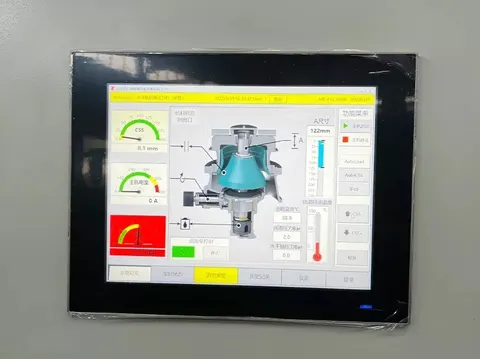
Complete hydraulic and lubrication systems for crushers
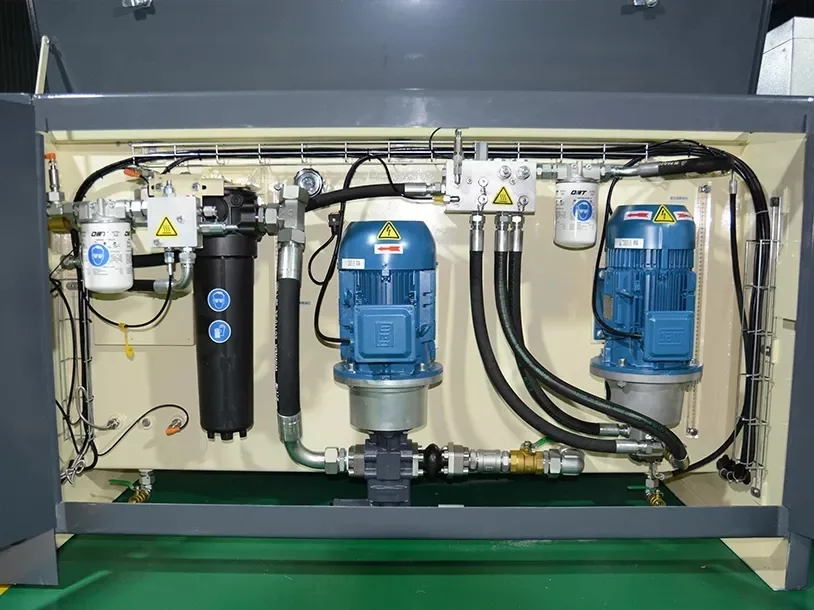
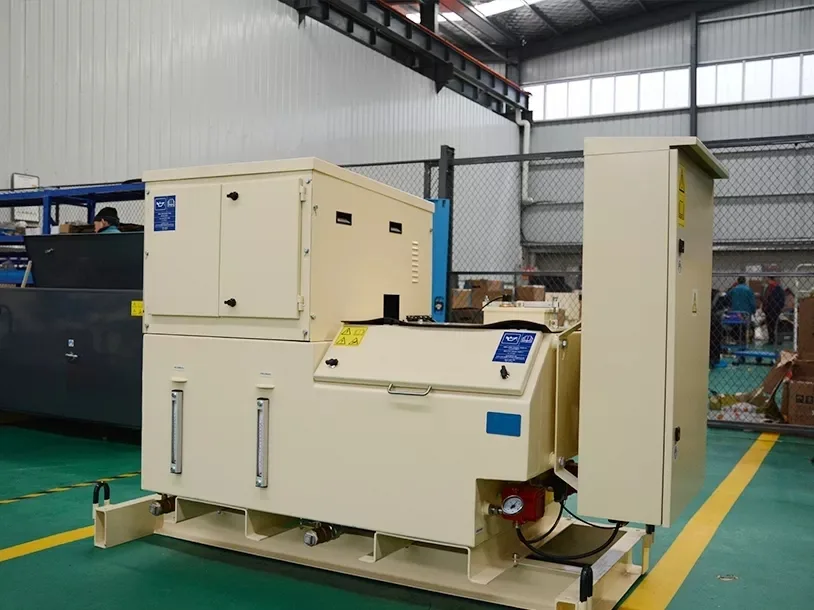
NORDVIK designs and manufactures complete hydraulic and lubrication systems for cone, gyratory and jaw crushers — the PHG lubrication unit (36 – 260 L/min) for CH/CS and GP class machines and the PHM hydraulic power pack (up to 800 L/min) for HP/MP class machines. The hydraulic system is the crusher's nervous system; the lubrication system is its blood circulation — both decide availability and service life.

Proven in mines and quarries across 15+ countries.
Wear and spare parts made to original specifications and metallurgy.
Quotation with specs, pricing and delivery time within one working day.
Spare parts, service and commissioning support for the machine's whole life.
| System | Crusher range | Main lube flow | Typical crusher power |
|---|---|---|---|
| PHG Lubrication Unit | Sandvik CH/CS, Metso GP crushers | 36 – 260 L/min | 90 – 750 kW |
| PHM Hydraulic Power Pack | Metso HP/MP crushers | 107 – 800 L/min | 160 – 1,000 kW |
| Custom systems | Any crusher / application | Designed to order | Any |
PHG and PHM series cover the common cone crusher ranges; custom systems are engineered for any crusher or application.
All brand names, model names, photos and marks mentioned are owned by their respective manufacturers. Luoyang Songju Industrial Equipment Co., Ltd. has no affiliation with the original equipment manufacturers. These terms are used for identification purposes only and do not indicate affiliation with or approval by the OEM.
A crusher hydraulic system uses hydraulic fluid to transmit power and control signals: it adjusts the discharge setting by raising or lowering the mainshaft or rotating the adjustment ring, provides overload and tramp protection by releasing pressure instantly, clears a packed chamber by stroking the shaft, and locks the setting against vibration. The lubrication system circulates filtered, cooled oil through bearings, gears and eccentric bushings, forming an oil film that reduces wear, removes heat and flushes away debris.
Setting adjustment, tramp release, chamber clearing and clamping for single- and multi-cylinder cones.
Hydroset mainshaft support and positioning for primary gyratory crushers.
Replacement lube and hydroset units for aging crusher installations of all major brands.
High-viscosity lubrication systems for wind turbine and grinding mill drivetrains.
Drop-in replacement hydraulic and lubrication systems for Metso, Sandvik and other crushers.
Anti-wear hydraulic fluids and circulating lubricating oils selected by viscosity grade for each climate and duty.
The lubrication system is the crusher's blood circulation: it forms an oil film on every friction surface, reducing wear, carrying away heat, flushing out wear debris and preventing rust — its condition directly determines equipment life.
| Problem | Likely causes | Solution |
|---|---|---|
| System fails to build pressure | Pump wear or internal leakage; relief valve stuck open or set too low; oil level too low; piping leaks | Inspect/replace pump; clean and re-set relief valve; top up oil; tighten fittings or replace seals |
| Oil temperature too high | Cooler fouled or insufficient cooling; continuous relief at high pressure; low oil; wrong viscosity; high ambient temperature | Clean cooler and increase cooling flow; check pressure setting; top up; change to correct oil grade; improve ventilation |
| Abnormal noise and vibration | Pump cavitation (low oil, suction leak); worn pump; relief valve dithering; loose piping; air in oil | Top up and seal suction line; replace pump; clean relief valve and check spring; secure piping; bleed air |
| Cylinder moves slowly or not at all | Low system pressure; insufficient flow; stuck directional valve or solenoid failure; internal cylinder leakage; overload | Check pressure and flow; clean or replace valve; check solenoid coil; replace cylinder seals; check load |
| Hydraulic fluid contaminated | Dust and moisture ingress; overdue oil change; high temperature accelerates oxidation | Replace oil and filter elements on schedule; check tank seal and breather; control oil temperature; sample oil regularly |
| Piping leaks | Loose fittings; aged O-rings or seals; cracked hoses; excessive vibration | Tighten fittings; replace seals and hoses; add clamps for damping |
| Lube pump delivers no oil | Tank level too low; blocked or leaking suction line; wrong pump rotation; worn pump; clogged filter | Top up; clean suction line and check seals; correct rotation; replace pump; clean or replace filter element |
| Abnormal system pressure | Too high: relief valve set high or line blockage. Too low: pump failure, relief stuck open, leakage | Check and adjust relief valve; inspect pump; check line seals; clean or replace valve components |
| Poor oil return / tank bubbling | Return line blocked or undersized; tank vent blocked; level too high; return above oil level entraining air | Clean return line and vent; correct oil level; ensure return line ends below oil level |